
Massage Technology
SL-Track vs L-Track vs S-Track: The Rail Sets the Coverage
Buyers compare roller counts and skip the rail. The rail is what decides whether the massage stops at your waist.
· NexGen Wellness · 1 min read
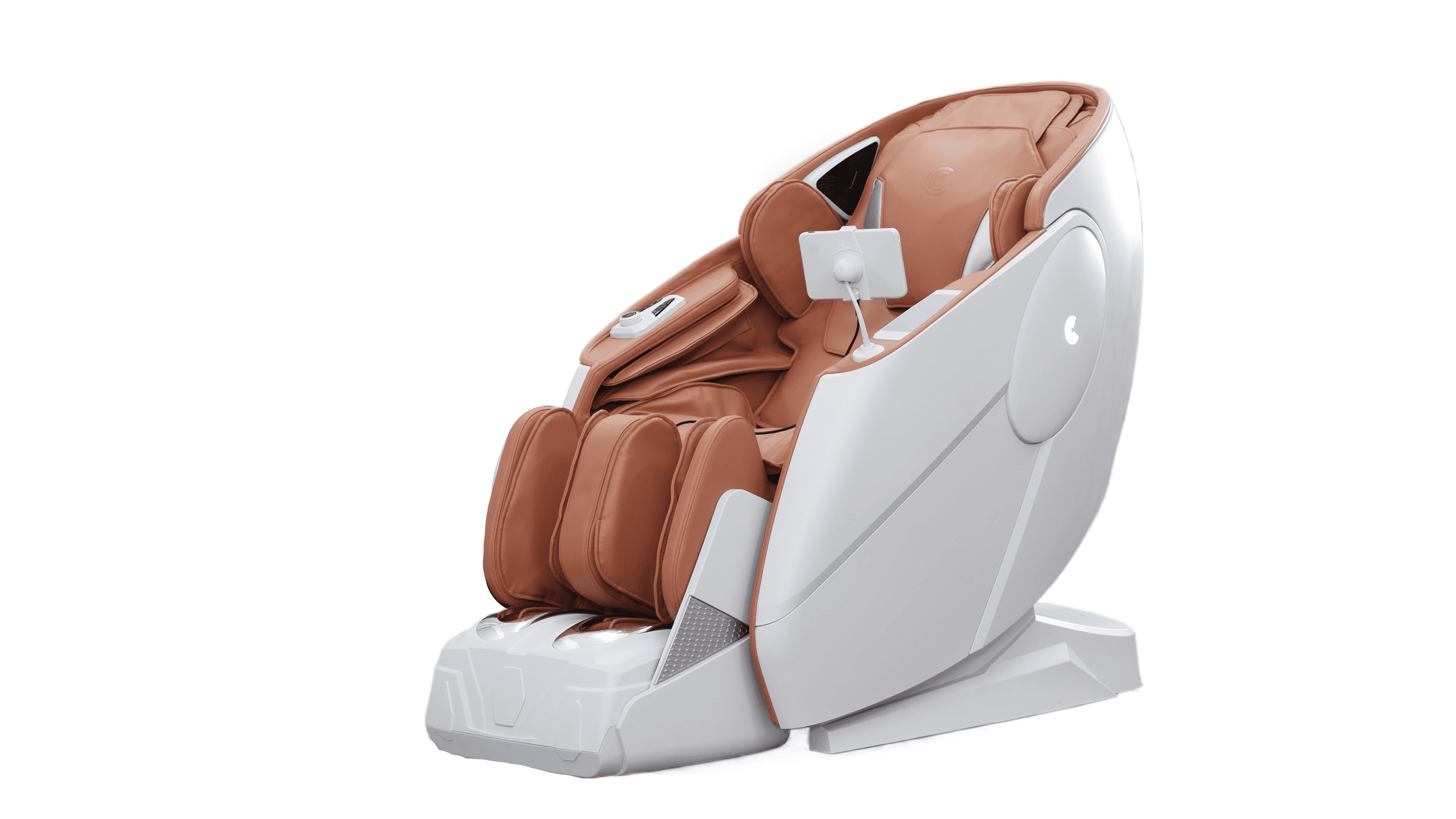
The rail sets the limit, not the rollers
Every technique in a brochure is constrained by a piece of curved metal nobody mentions. The rollers can only go where the rail goes. A chair with an impressive list of massage modes and a short rail will run all of those modes across the top half of your back and nowhere else.
The three shapes
| Rail | Shape | Coverage |
|---|---|---|
| S-track | Curved to follow the natural S of the spine | Neck to lower back. Good contact, stops at the waist. |
| L-track | Straighter, continuing under the seat | Neck to glutes and thighs. More reach, follows the spine less closely. |
| SL-track | S-curve down the back, then a bend under the seat | Contoured along the spine and continuing to the glutes and thighs. |
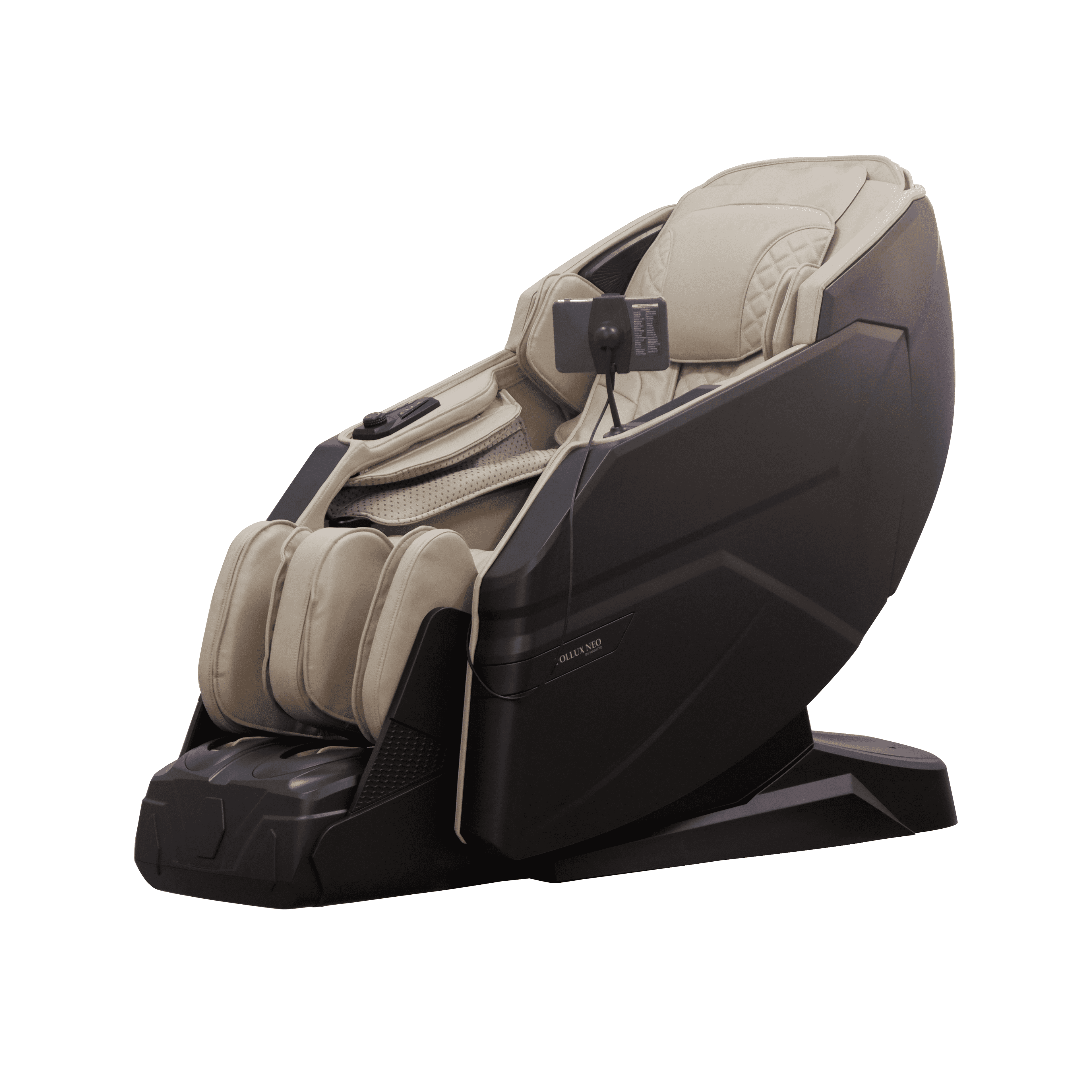
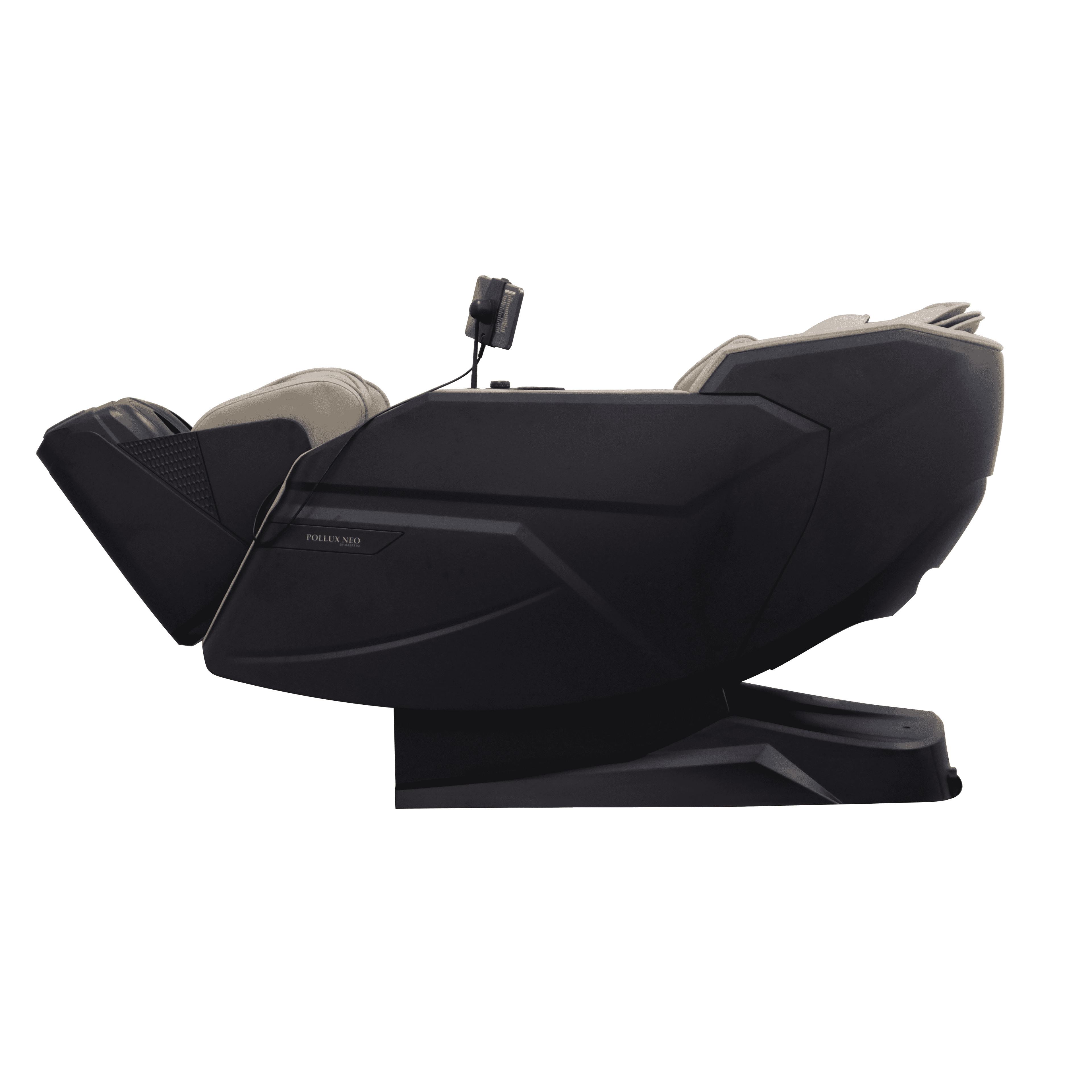
SL is the harder rail to build and the one both NexGen chairs use.
Why the bend matters if you sit for a living
Desk work and driving load the glutes and hip flexors about as hard as they load the shoulders. Those are exactly the muscles an S-track cannot reach. If your complaint is a lower back that seizes when you stand up after four hours, the rail is the specification that decides whether the chair addresses your actual problem or an adjacent one.
There is a simple test and it takes ninety seconds. Run a full-body program and pay attention to where the rollers stop at the bottom. If the massage ends at your waist, so does the rail, whatever the brochure claims.
Frequently asked
- What is an SL-track massage chair?
- An SL-track is a single curved rail that follows the S-curve of the spine from the neck down, then bends under the seat so the rollers continue to the glutes and thighs. It combines the contoured contact of an S-track with the extended reach of an L-track.
- Is an L-track better than an S-track?
- It reaches more of you, covering the glutes and thighs as well as the back, but a plain L-track follows the curve of the spine less closely. An SL-track gives you both, which is why it is standard on premium chairs.