
Massage Technology
3D vs 4D Massage Chair: Which One Should You Buy for Your Home?
Both move the rollers in three directions. The difference is timing, and whether you will feel it depends more on you than on the label.
· NexGen Wellness · 4 min read
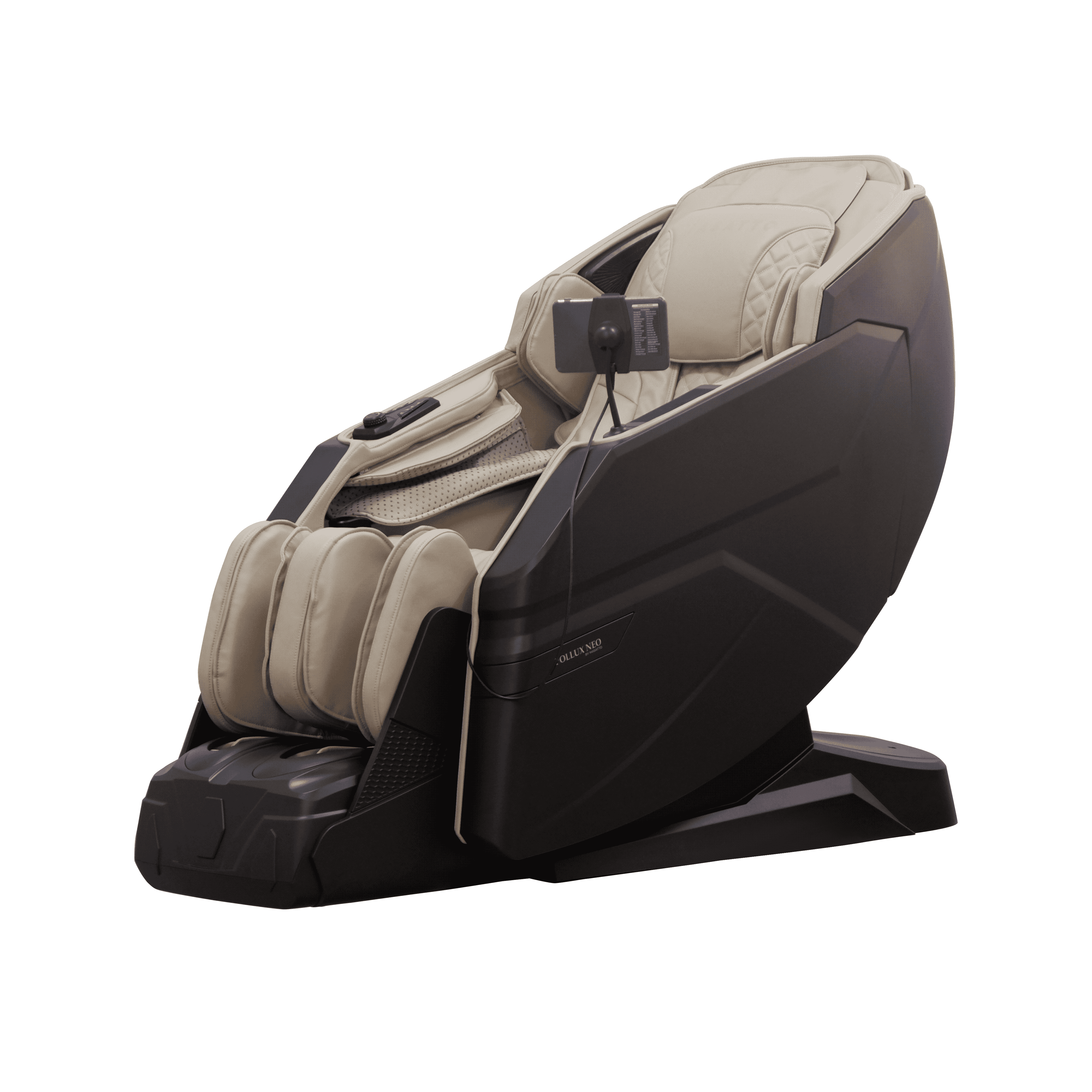
The short answer
Buy a 3D chair if you want a firm, consistent massage and would rather spend the difference on a longer track or better foot rollers. Buy a 4D chair if you want the massage to feel closer to human hands, with strokes that slow down into a tight spot and speed up as they leave it. Then sit in one of each before you pay, because this is a difference you feel in the first minute and cannot judge from a page.
What the D actually counts
The numbers describe how the rollers behind your back can move.
- 2D: up and down the spine, and side to side. The rollers press with one fixed depth, so the pressure is the same on a broad back and a slim one.
- 3D: adds depth. The rollers push further out into the muscle or pull back, so the chair can work deeper on the shoulders and ease off over the spine.
- 4D: the same three directions, plus control over time. Speed and rhythm change within a single stroke instead of running at one constant pace.
That fourth dimension is the last real one. A roller has no fifth direction to move in, which is why we sell 4D as the top of the range and call anything numbered higher what it is.
How the massage feels different
A 3D chair kneads at a steady beat. It can be deep and it can be firm, but every stroke arrives at the same speed, a little like a metronome. Many people find that exactly right, especially for a short daily session before bed.
A 4D chair breaks that beat. On a kneading program the rollers slow down as they press into the muscle, hold for a moment, and move away faster. Tapping can quicken and settle. The effect is closer to how a therapist works, pausing where you are tight and moving on where you are not, and it is the reason 4D chairs tend to feel less mechanical over a long session.
3D decides how deep the rollers go. 4D decides how long they stay there.
One honest caveat. There is no industry standard for 4D, so two brands can mean slightly different things by it. Some emphasize speed changes, some smoother depth transitions, some a wider pressure range. That is one more reason to judge the chair in person rather than by the number on the box.
Who a 3D chair suits
- First-time buyers who want a proper full-body chair without paying for the top of the range.
- People who like a firm, even pressure and find an irregular rhythm distracting.
- Households where the chair will mostly be used for 15 minutes in the evening rather than for long sessions.
- Anyone who would rather put the budget into track length, body-curve detection and heated foot rollers.
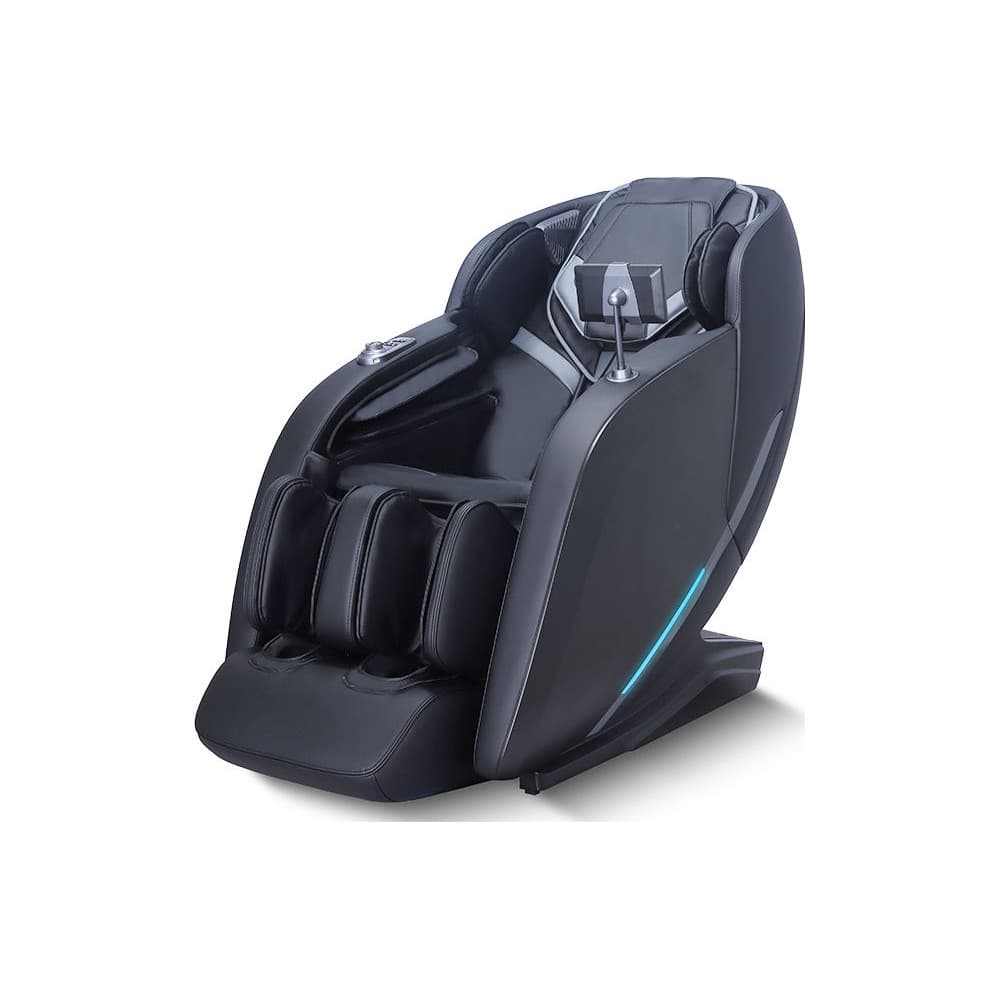
Our Z372 Plus is a 3D chair built on exactly that logic: air-suspension rollers that give where the spine curves, an extra-long SL track to the thighs, body-curve detection, heat and foot rollers.
Who a 4D chair suits
- People who have had professional massage and want the chair to come close to it.
- Anyone with stubborn knots in the shoulders and upper back, where the slow press and hold matters most.
- Long sessions. The varied rhythm stays comfortable over 30 minutes in a way a constant beat sometimes does not.
- Shared homes where different people prefer very different intensities, since 4D chairs usually offer a wider range.
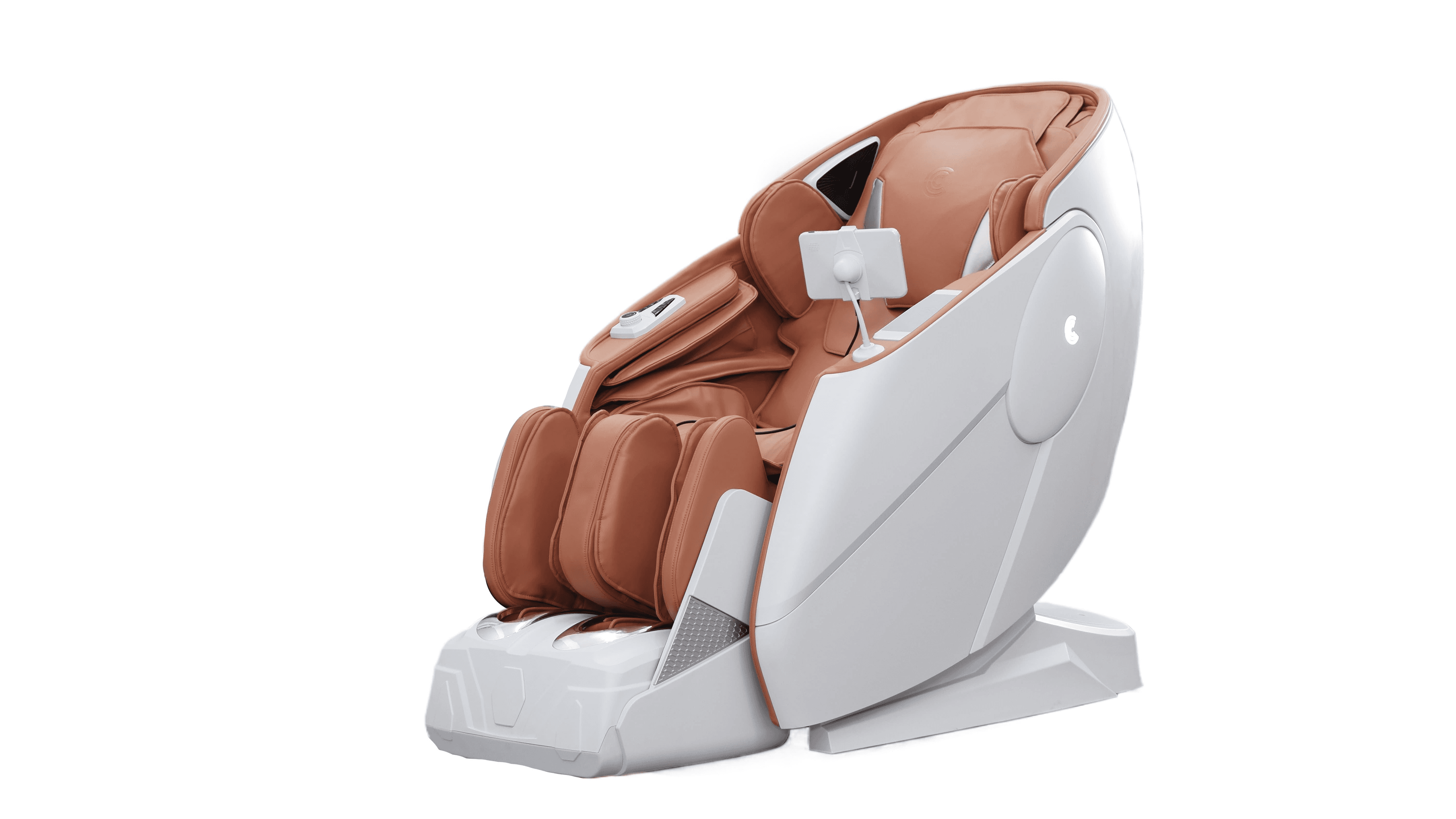
Our chairs, side by side
| Model | Mechanism | Track | Price |
|---|---|---|---|
| S81 Salon | 4D | Not listed | ₹90,000 |
| Z372 Plus | 3D | Extra-long SL track (neck → thighs) | ₹1,40,000 |
| Z90 Pro | 4D | SL super-long track (neck → glutes) | ₹1,50,000 |
| Z91 Plus | 4D | SL super-long track | ₹1,70,000 |
| Z710 Pro | 4D | 135 cm S + L shaped track | ₹3,00,000 |
| Z95 Elite | 4D | Super-long track (neck → seat) | ₹4,00,000 |
Every one of these is on the floor at our Malviya Nagar showroom in Jaipur, so you can run the same program in a 3D and a 4D chair one after the other.
What matters more than the D
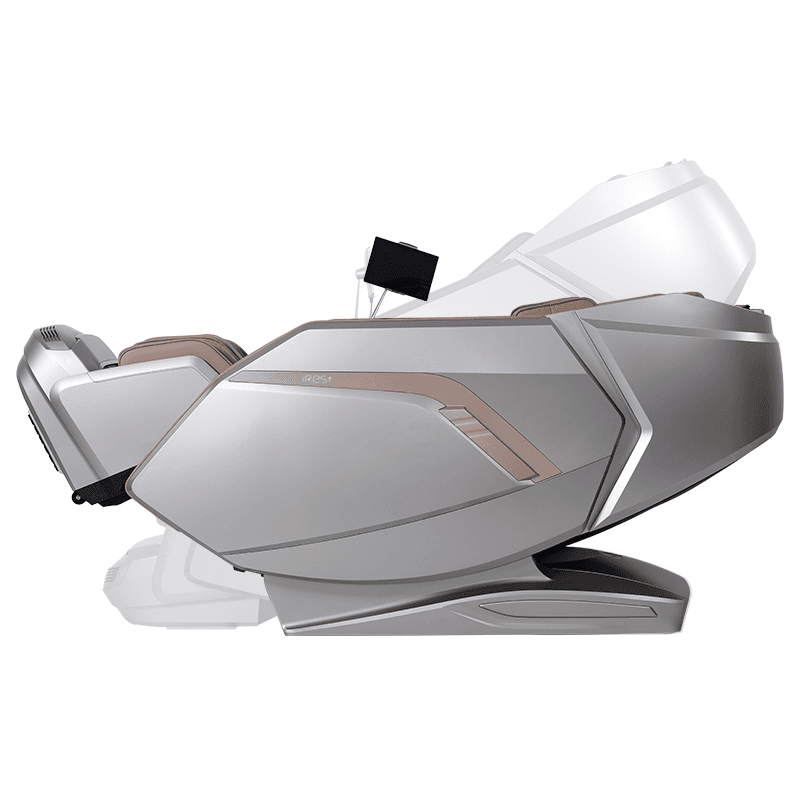
The mechanism is one decision among several, and not always the biggest. A 3D chair on a long SL track will massage more of you than a 4D chair on a short S track. A chair that does not fit your height will disappoint you whatever its letters. And foot rollers, zero-gravity recline and heat change the experience at least as much as roller timing does.
Feel the difference in ten minutes
- Pick one automatic program, a neck and shoulder or full-body program works best, and run it in a 3D chair for five minutes.
- Move straight to a 4D chair and run the closest matching program at the same intensity.
- Pay attention to the kneading on your shoulders. If the second chair feels noticeably more like hands, 4D is worth it for you. If you cannot tell them apart, save the money.
Frequently asked
- What is the difference between a 3D and a 4D massage chair?
- Both move the rollers up and down, side to side and in and out. A 4D chair also varies the speed and rhythm within each stroke, so the massage slows into tight spots and feels closer to a therapist's hands.
- Is a 4D massage chair worth the extra money?
- For people who want long sessions or a massage that feels more human, usually yes. For short, firm daily sessions, a well-built 3D chair on a long SL track is often the better value. Try both before deciding.
- Is a 3D massage chair good enough for home use?
- Yes. A good 3D chair with body scanning, an SL track, zero-gravity recline and foot rollers gives a thorough full-body massage and suits most home users.
- Are 5D massage chairs better than 4D?
- There is no fifth direction for a roller to move in. Chairs sold as 5D or higher are 4D mechanisms with extra features, such as AI body detection, heat or voice control, under a bigger number.