
Massage Technology
How Leg Massagers and Massage Chairs Actually Work: Air, Rollers and Heat
Every massage machine is built from the same four ingredients: air, rollers, heat and, sometimes, a gentle electrical pulse. Knowing which does what makes choosing one much easier.
· NexGen Wellness · 4 min read
Four ingredients, arranged differently
Strip the marketing away and every leg massager and massage chair on the market is a combination of the same parts. Air cells that squeeze. Rollers that press and knead. Heating elements that warm. And, in a few machines, a low electrical pulse. What separates a good machine from a disappointing one is how much of each it has, and where they sit on your body.
Air compression: squeeze, hold, release
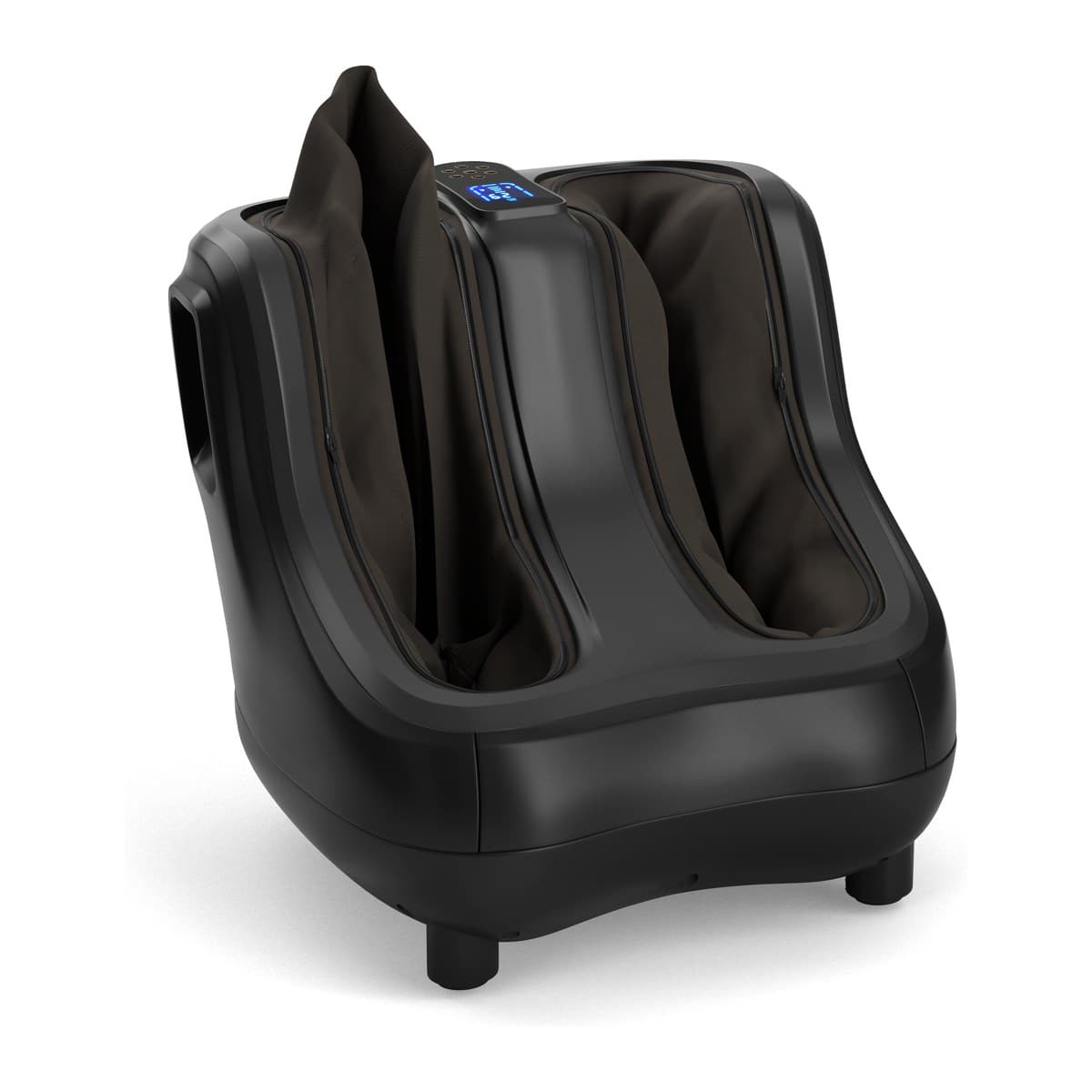
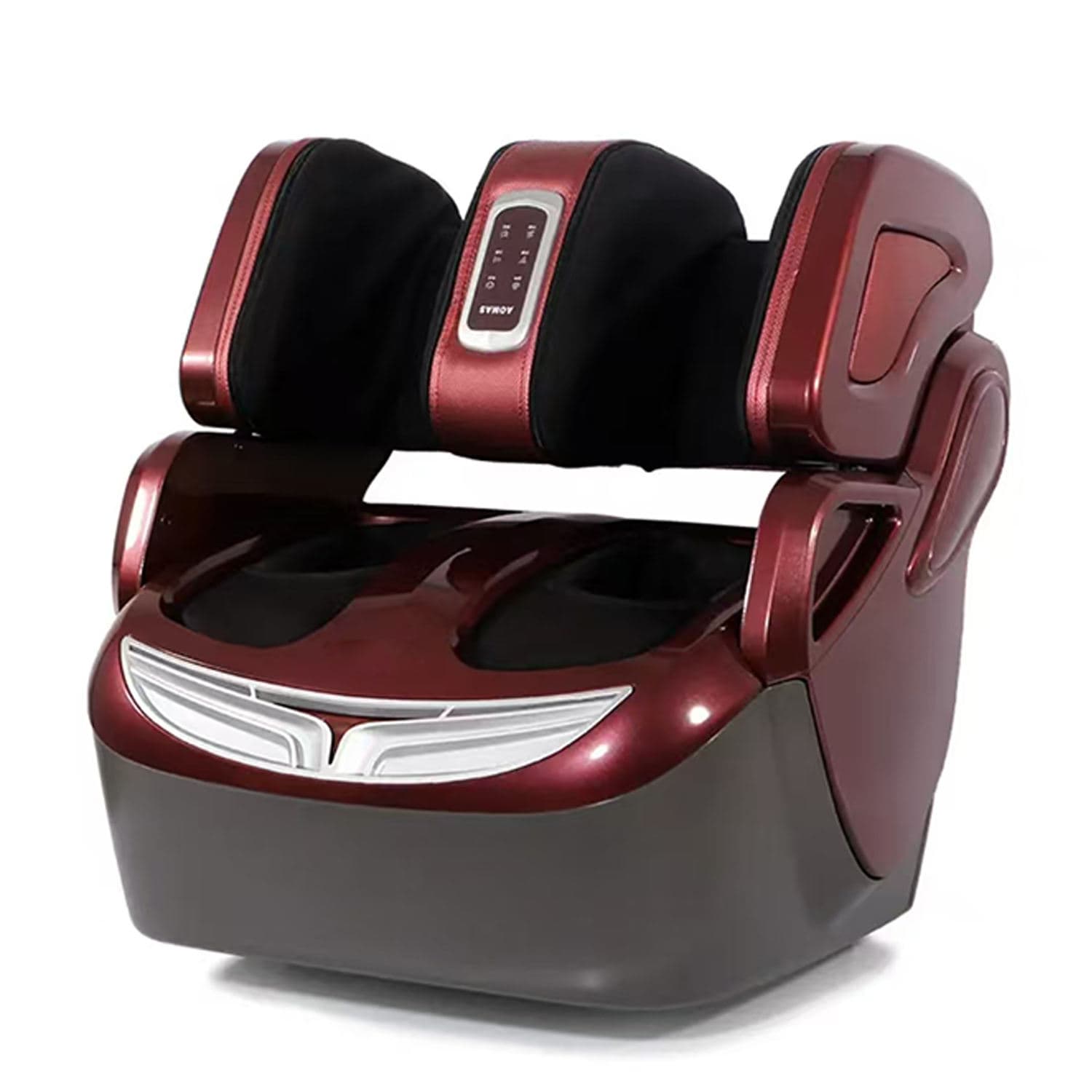
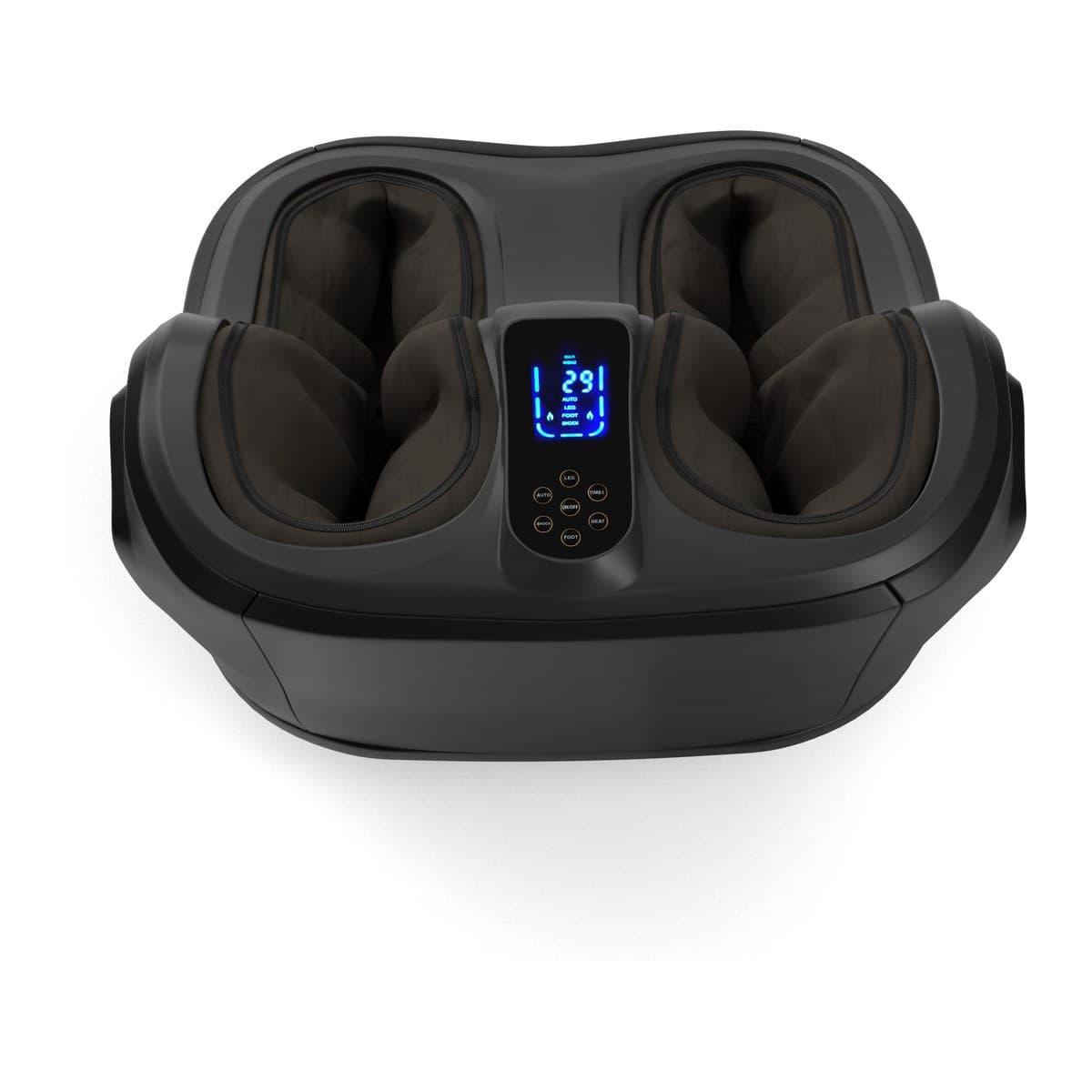
Inside the leg wells of an air compression massager are soft air cells, like the cuff on a blood pressure monitor. A small pump inflates them one after another, holds for a moment, then lets the air out. The better units work in sequence, starting at the feet and moving up toward the calves, so the pressure travels up the leg rather than squeezing everywhere at once.
Because the air wraps all the way around the leg, it reaches places a flat roller cannot, like the sides of the calves and the ankles. Many people who stand or sit all day find that rhythmic squeeze eases the heavy, tired feeling in their legs.
The Aero 361 in the clip above combines air compression with rollers under the soles, a vibration mode and heat. Its wells are wide enough for larger feet and calves, and the liners zip off for washing.
Rollers: the shiatsu part
Rollers are small rotating nodes, often with ridges, that press into the muscle and move across it. Under the feet they work the arch and the heel. In a massage chair they ride up and down a track behind your back, pressing either side of the spine the way a therapist's thumbs would. That is why roller massage is usually called shiatsu.
Rollers give a firmer, more specific pressure than air. Air feels like a hug. Rollers feel like hands. The best leg massagers use both, which is why a unit with only one kind often feels like something is missing.
Heat: why the warmth matters
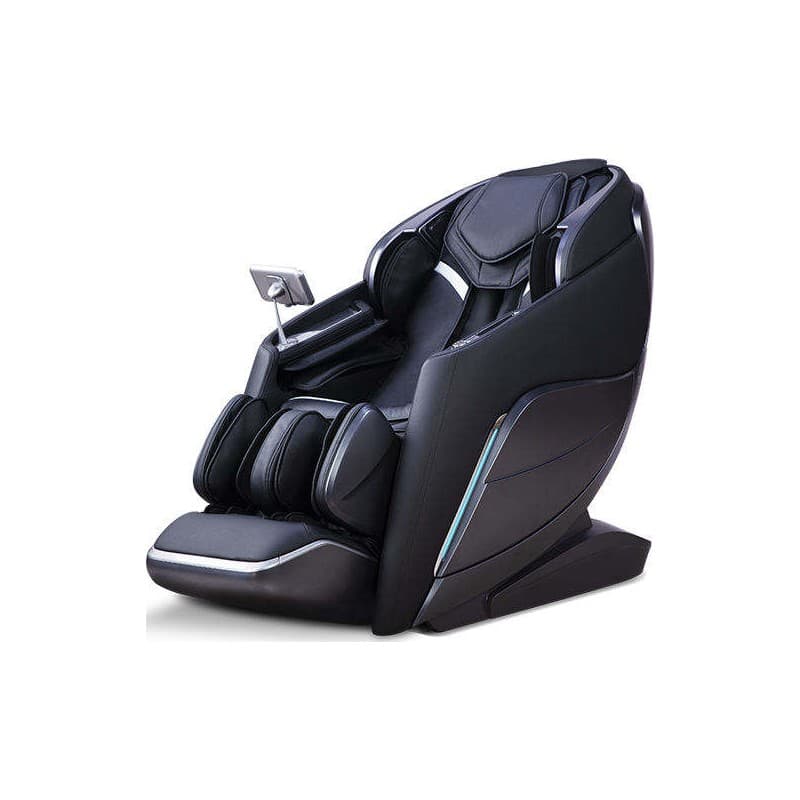
Warm muscle relaxes more easily than cold muscle, so heat makes both air and rollers feel deeper at the same intensity. Leg massagers usually warm the soles and calves. Massage chairs warm the lower back, and some go further. The Z710 Pro has a padded shawl with graphene heating that drapes over the shoulders and can be moved to wherever the warmth is wanted.
Heat on a massager is gentle by design. It is there to take the chill out of stiff muscles, not to act like a heating pad left on overnight.
TENS: the one that doesn't press at all
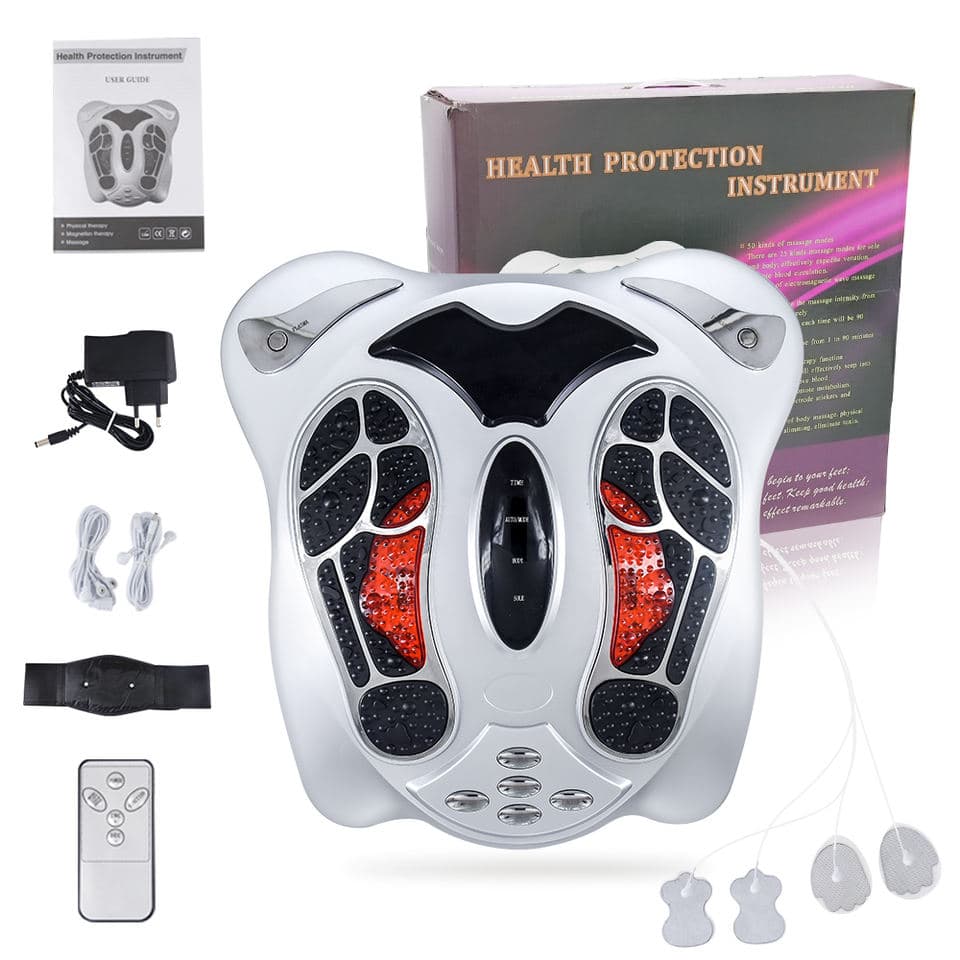
A TENS massager works differently from everything above. Instead of squeezing or pressing, it sends a low-frequency electrical pulse through conductive plates under the feet, which makes the muscle contract and relax on its own. It feels like a tingle at low settings and a firm pulse at high ones.
It suits people who find roller pressure too much, and because the pulse can travel through pads, it isn't limited to the feet. Our T99 Pulse has 99 intensity levels and pads for the back, neck and knees. Anyone with a pacemaker or another implanted device should not use TENS, and anyone pregnant should ask their doctor first.
Inside a massage chair: the track sets the coverage
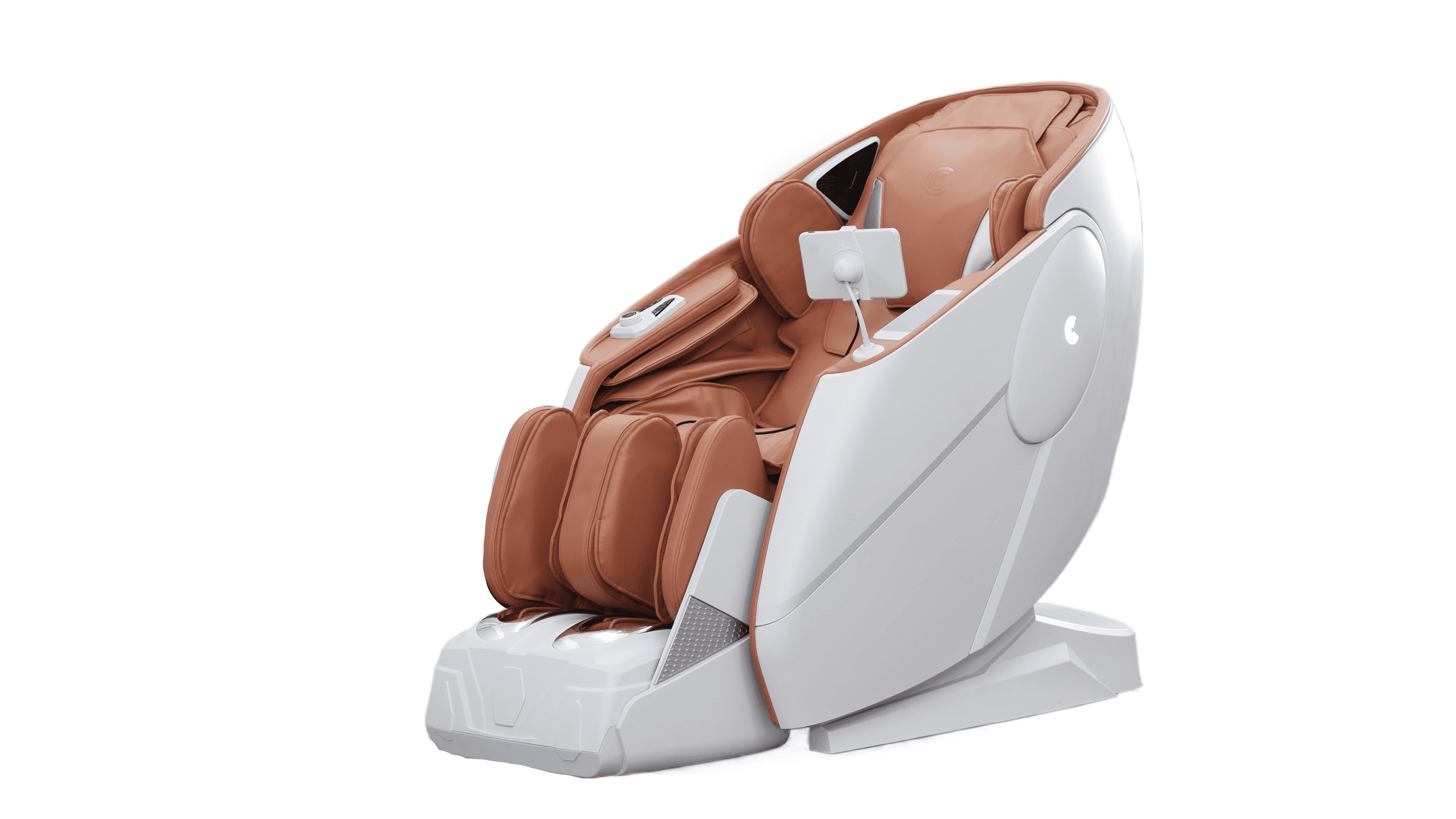
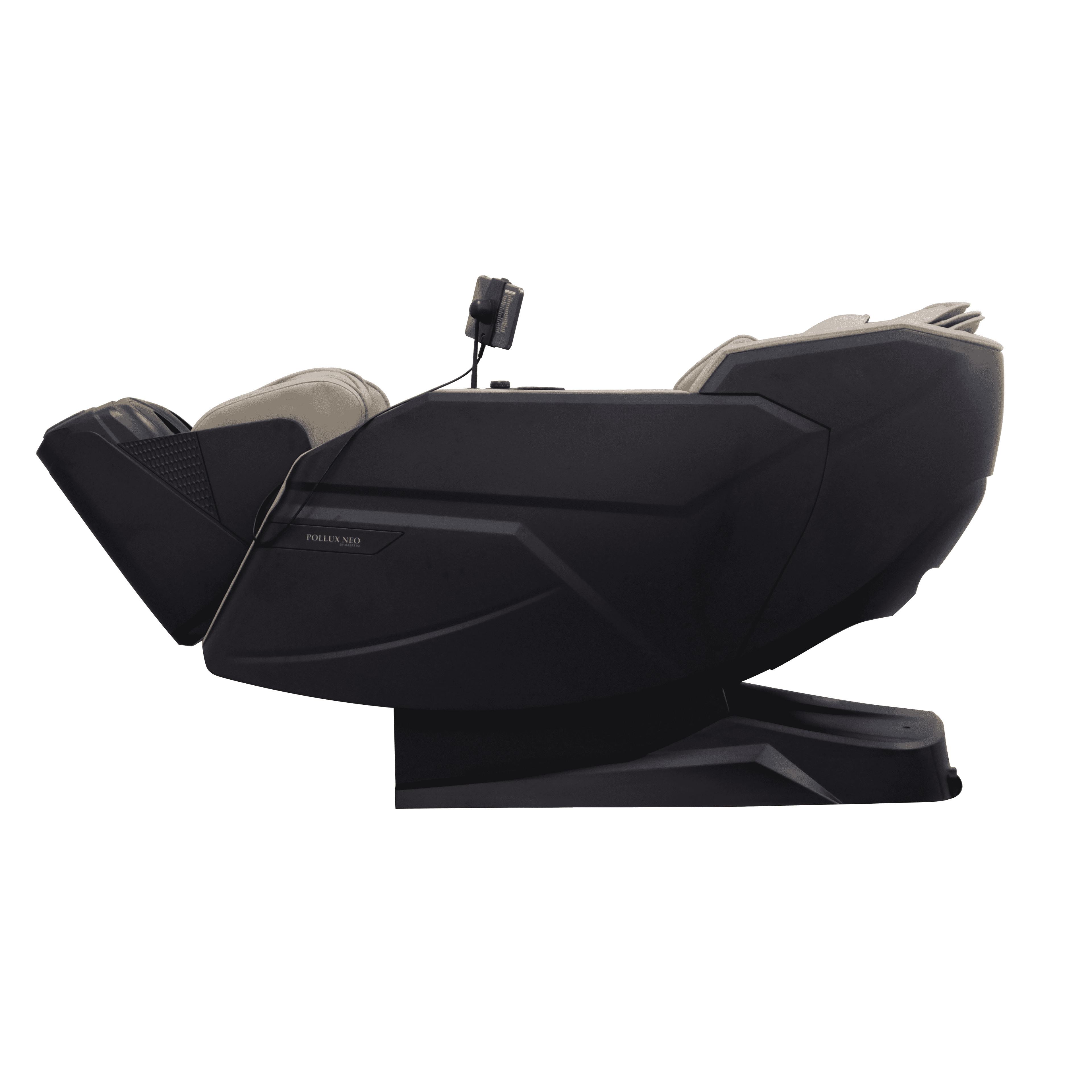
A massage chair puts all four ingredients into one machine and adds a track. The rollers sit on a carriage that travels along a rail behind the backrest. An S-track follows the curve of the spine and stops at the lower back. An L-track carries on under the seat to the glutes. An SL-track does both, which is why it covers the most ground. The Z710 Pro's rail is 135 cm long.
The D number describes how the rollers move. 2D rollers go up, down and side to side. 3D rollers also push in and out, so the pressure can go deeper. 4D rollers vary the speed and rhythm of each stroke. On top of that, airbags in the shoulders, arms, calves and feet do the squeezing, and zero-gravity recline tips your legs above your heart so your weight is spread evenly while it all happens.
Which mechanism suits which person
| Mechanism | What it feels like | Best for |
|---|---|---|
| Air compression | A slow, even squeeze around the leg | Tired, heavy legs after standing or sitting all day |
| Rollers (shiatsu) | Firm, thumb-like pressure that moves | Knots in the soles, calves and along the spine |
| Heat | Gentle warmth under the pressure | Stiffness, and making a massage feel deeper |
| TENS pulse | A tingle to a firm pulse, no pressing | People who find rollers too strong |
| Full-body chair | All of the above, back to feet | A daily full-body routine at home or in a salon |
The honest advice is to try them. Air and rollers feel very different, and most people know within a minute which one they prefer. At our Malviya Nagar showroom in Jaipur you can try them side by side. Call ahead and tell us which ones you want to compare.
Frequently asked
- How does an air compression leg massager work?
- Air cells inside the leg wells inflate one after another, hold, then release, usually starting at the feet and moving up the calves. Because the air wraps around the leg, it reaches the sides of the calves and the ankles that flat rollers miss.
- Is a roller or air compression massager better?
- They do different jobs. Air compression gives an even squeeze around the whole leg, while rollers give firm, focused pressure on the soles. Many people prefer a massager that combines both, such as the Aero 361.
- How does a massage chair massage your back?
- Rollers on a moving carriage travel along a track behind the backrest, pressing either side of the spine. An SL-track carries them from the neck down under the seat. Airbags in the shoulders, arms, calves and feet add squeezing, and heating elements warm the lower back.
- Who should not use a leg massager?
- Anyone with a blood clot or deep vein thrombosis, an open wound or infection on the legs, severe varicose veins or diabetic nerve damage should ask their doctor first, as should anyone who is pregnant. TENS massagers are not suitable for people with a pacemaker or another implanted device.