
Home & Lifestyle
What a Massage Chair Costs to Run, and What It Costs to Keep
The electricity works out to about twenty two rupees a month. That is not the number worth worrying about, and almost nobody asks about the one that is.
· NexGen Wellness · 8 min read
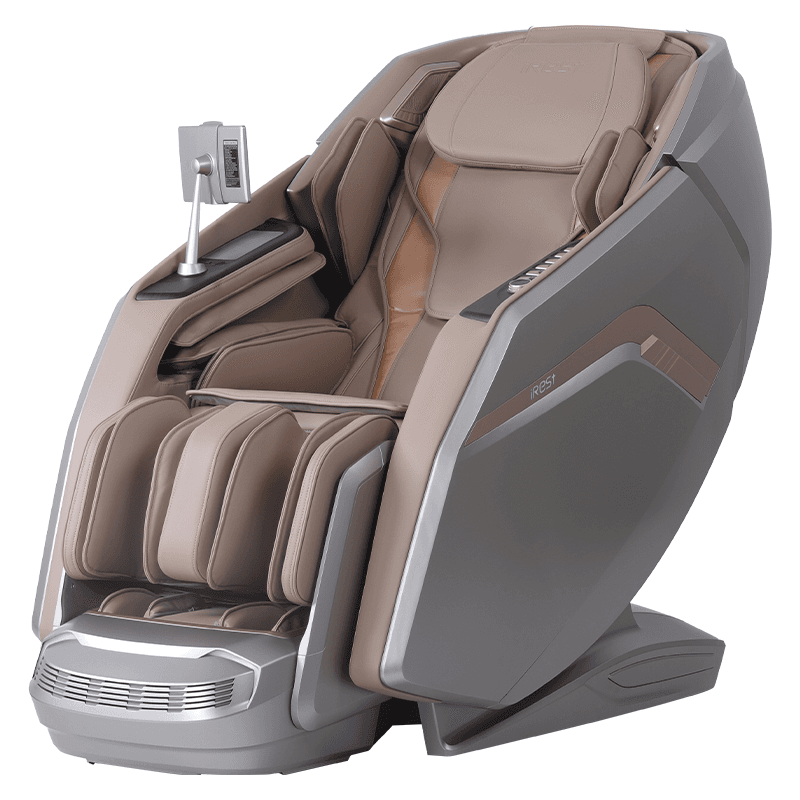
The electricity is a rounding error
This is the question that arrives last, usually while someone is standing at the door with their mind mostly made up. It is a reasonable thing to ask. A massage chair is a hundred kilo machine with motors, a compressor and heating elements in it, so it looks like something that will show up on the bill. It does not, and the arithmetic takes one minute.
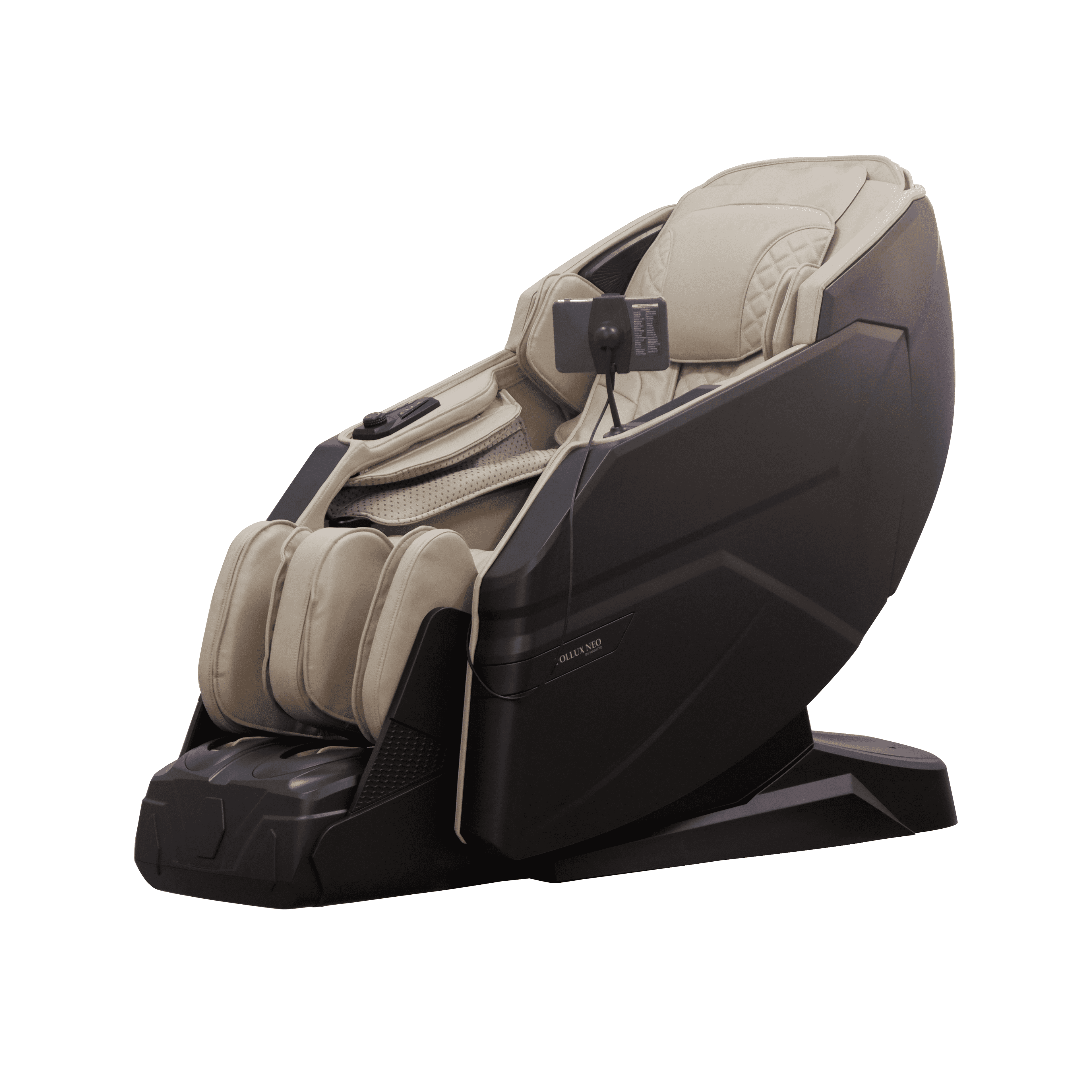
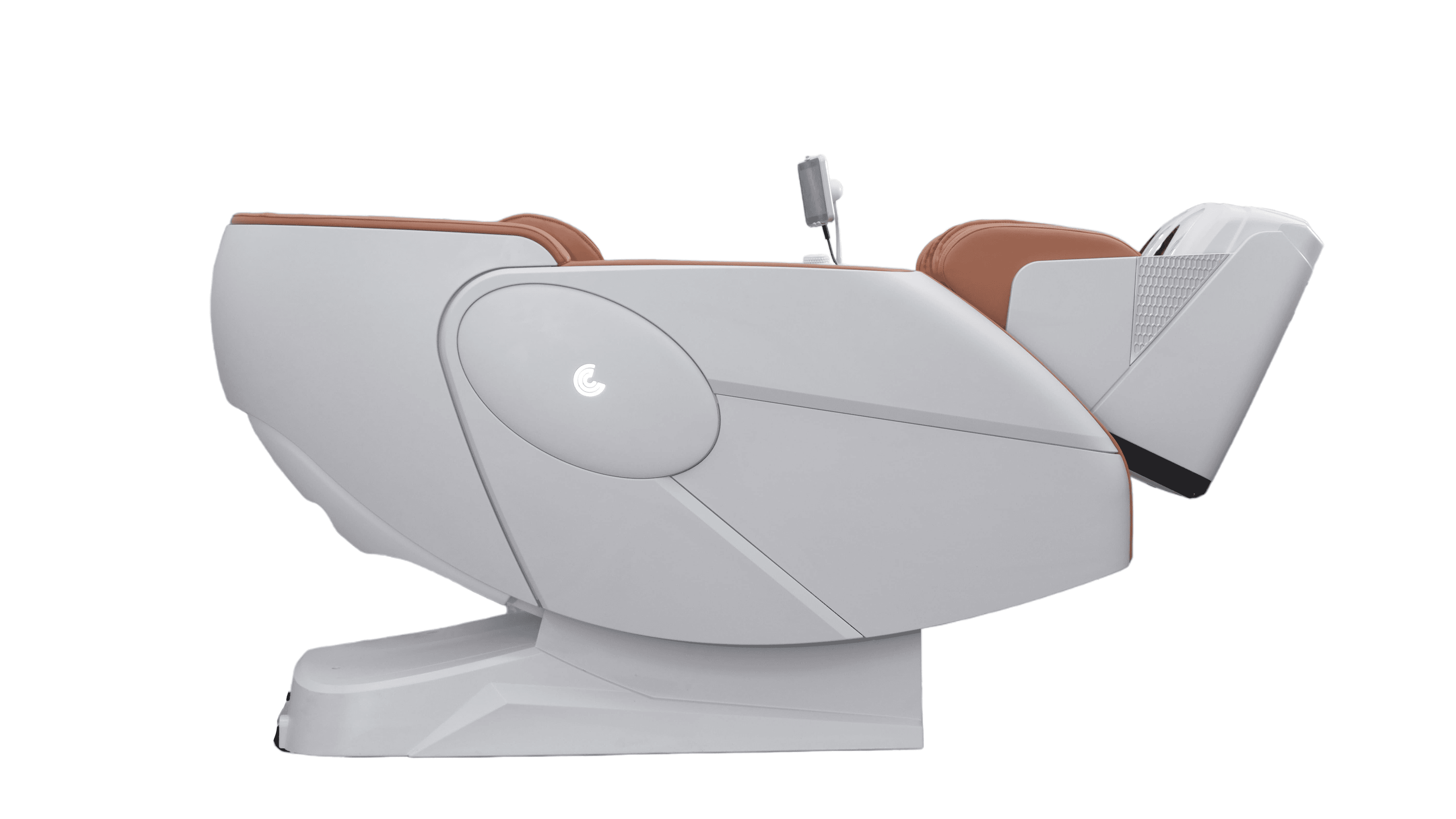
The Z90 Pro is rated at 160 W. The Z91 Plus and the Z95 Elite are both rated at 180 W. Those are peak figures, what the chair draws with rollers, airbags and heat all working together, so treat them as the worst case rather than the average. A fifteen minute session on a 180 W chair uses 0.045 units of electricity. Two sessions a day, every day for a month, is 2.7 units. Jaipur domestic tariffs land in the region of ₹8 a unit once you count the fixed charges, which puts a heavily used chair at roughly ₹22 a month, or about ₹260 for the year.
| Appliance | Rated power | Assumed daily use | Units a month |
|---|---|---|---|
| Z90 Pro massage chair | 160 W | Two 15-minute sessions | 2.4 |
| Z91 Plus / Z95 Elite | 180 W | Two 15-minute sessions | 2.7 |
| A867 Air Pro leg massager | 95 W | One 15-minute session | 0.7 |
| Ceiling fan | 75 W | 8 hours | 18 |
| Water heater | 2,000 W | 30 minutes | 30 |
| 1.5-ton air conditioner | 1,500 W | 6 hours | 270 |
Read the last three rows again. One month of your geyser is roughly one year of the chair. A single evening with the air conditioner running costs more than thirty days of daily massage. If the electricity bill is the thing holding up the decision, the decision is already made and something else is doing the holding.
Nobody has ever regretted a massage chair over twenty two rupees a month. The costs worth asking about are the ones that turn up in year three.
The plug is a bigger risk than the meter
Read the warranty on any appliance sold in India, ours included, and you will find damage from voltage fluctuation or a faulty electrical supply sitting on the excluded list. That is standard across the industry, and it is also a fairly loud hint about what actually kills electronics in this country. It is not usage. It is the supply.
Our chairs help themselves here. The Z90 Pro and Z95 Elite accept 110 to 240V, the Z91 Plus 110 to 220V, so a sag that would trip a fixed-voltage appliance is inside their normal range. Wide-range input is real protection, but it is protection against a soft supply, not against a violent one. Five things are worth ten minutes before delivery day.
- A socket of its own. Share a point with a geyser, a water pump or an air conditioner compressor and the chair sees the dip every single time that motor starts.
- Working earth at the socket. Older wiring in a family house often has a neutral doing an earth's job, which nobody notices until something with a metal frame is plugged into it.
- A stabilizer only if your area genuinely needs one, and you will know: lights that visibly dim, a fridge or a television that has already died young. On a stable line it is an unnecessary box. On a bad one it costs a fraction of the control board it protects.
- An inverter will carry it. 180 W is a small load next to what a home inverter is sized for. Whether you want to spend your backup on a massage while the lights are out is a separate question, and the honest answer is usually no.
- Switch it off at the wall when the house is empty for weeks. Standby draw is tiny, but a chair sitting live through a monsoon month of surges for no reason is an avoidable risk.
Jaipur is hard on upholstery in two opposite directions
From April to June the enemy is dry heat and direct sun. From July to September it flips completely and the enemy is damp air with nowhere to go. PU leather dislikes both, and the failure looks the same either way: the surface hardens, then crazes into fine lines, and the lines open up at the shoulders and the front edge of the seat where the body loads it most.
None of this is difficult to prevent. It is just that nobody tells you, because the conversation at the point of sale is about rollers and programs. Care for the cover and it will outlast the warranty by years. Here is the whole routine.
- Keep it out of direct sunlight. A chair parked in front of a west-facing window will age more in one Rajasthan summer than in five years of daily use, and there is no repair for it, only a recover.
- Dry microfiber once a week, wiped in one direction. Grit dragged back and forth across a topcoat is sandpaper that you are applying yourself.
- Plain water on a barely damp cloth for marks, and nothing else. No spirit, no alcohol wipes, no silicone dashboard polish. Those either strip the topcoat or seal it, and the topcoat is the layer that cracks.
- A cotton headrest cover, changed like a pillowcase. Hair oil is what finishes headrests in Indian homes, not wear, and it is the single cheapest thing on this list.
- Open a window or run a fan in the room during the monsoon. A closed, still room is what turns humidity into a problem.
- Look in the track slot every few months for hairpins, coins and earrings. Small hard objects are the most common cause of a noise that gets reported as a mechanism fault.
What actually breaks, in the order it happens
Contact upholstery goes first: headrest, the tops of the armrests, the calf covers. After that, in rough order of likelihood, an airbag hose works loose or a solenoid gets tired, then a remote or a screen develops a fault, and a long way behind all of it sits the main mechanism, which is the part everyone worries about and the part that fails least. Almost everything on that list is a parts and labor job on a chair that keeps working afterwards.
Our own terms, so you can hold us to them: twelve months of manufacturer warranty on anything above ₹9,999, and doorstep service on products above ₹20,000 in serviceable locations, with a technician visit scheduled once the request is approved. Physical damage, water, unauthorized repairs and supply faults are not covered, which is the same list every manufacturer runs and the reason the socket section above is not filler.
Ask any seller three questions before you pay, us included. What does an out-of-warranty visit cost. Can the headrest and calf covers be replaced on their own, or only as a set. Where is the nearest technician who has actually opened this model. A seller who cannot answer the third one has told you something important, and a marketplace listing cannot answer it at all.
The expensive mistake is the chair nobody sits in
Here is the real cost of ownership, and it has nothing to do with electricity. A chair used by two people every day for five years works out to a few rupees a session, which is the cheapest massage available anywhere in the city. The identical chair used enthusiastically for three weeks and then on alternate Sundays is a very large piece of furniture occupying the best corner of your living room. Same purchase, same bill, completely different outcome.
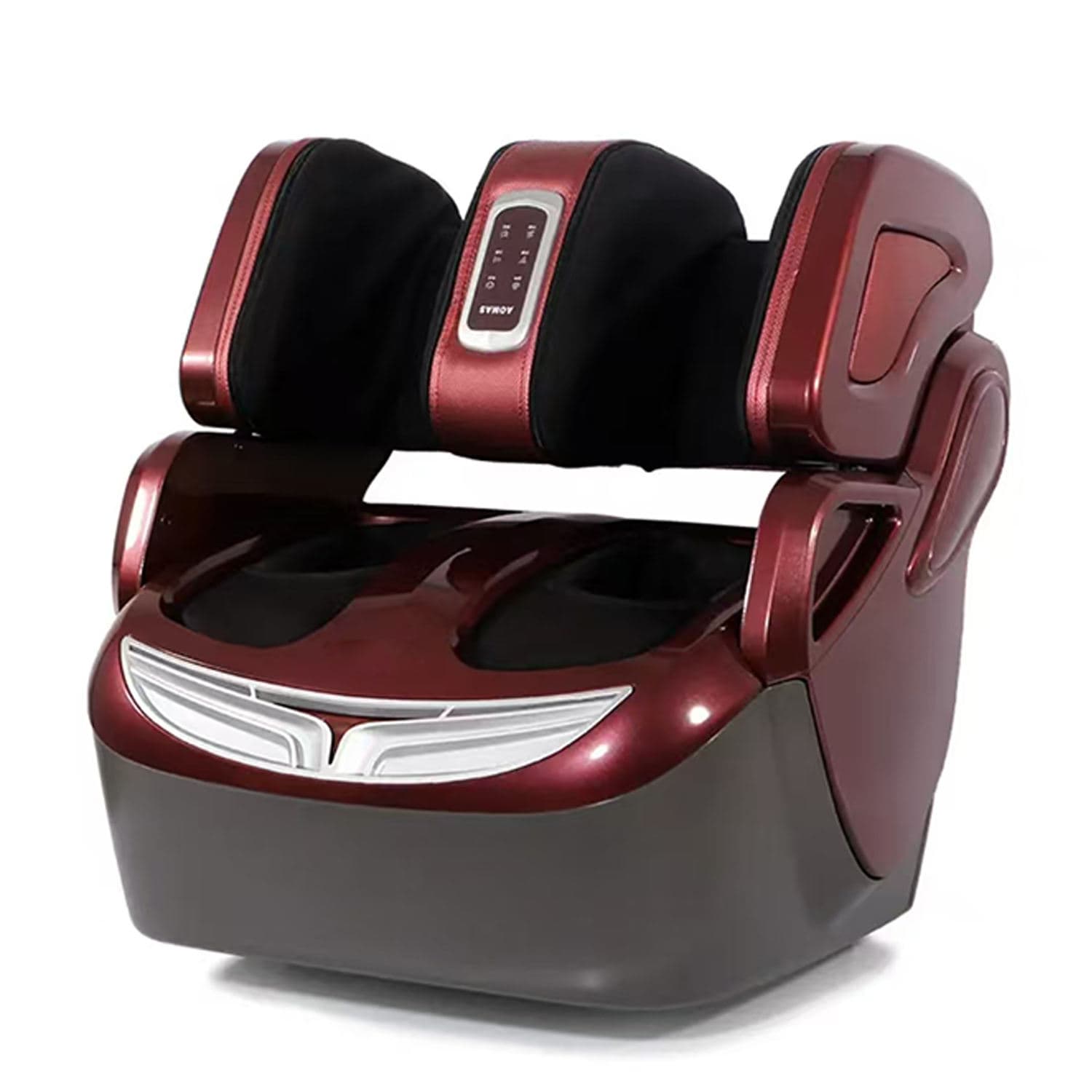
So be honest with yourself about frequency before you spend, because two cheaper answers exist and we would rather point at them than sell you regret. Rent a chair for a month and find out what your household actually does with it. Or, if the ache is mostly below the knee, which for people who stand all day at work it usually is, start with a foot and leg massager. The A867 Air Pro draws 95 W, wraps the calves and knees, and costs a fraction of a full body chair. Plenty of families buy the chair a year later anyway, and they buy it knowing.
Come and see the ones that get the most use
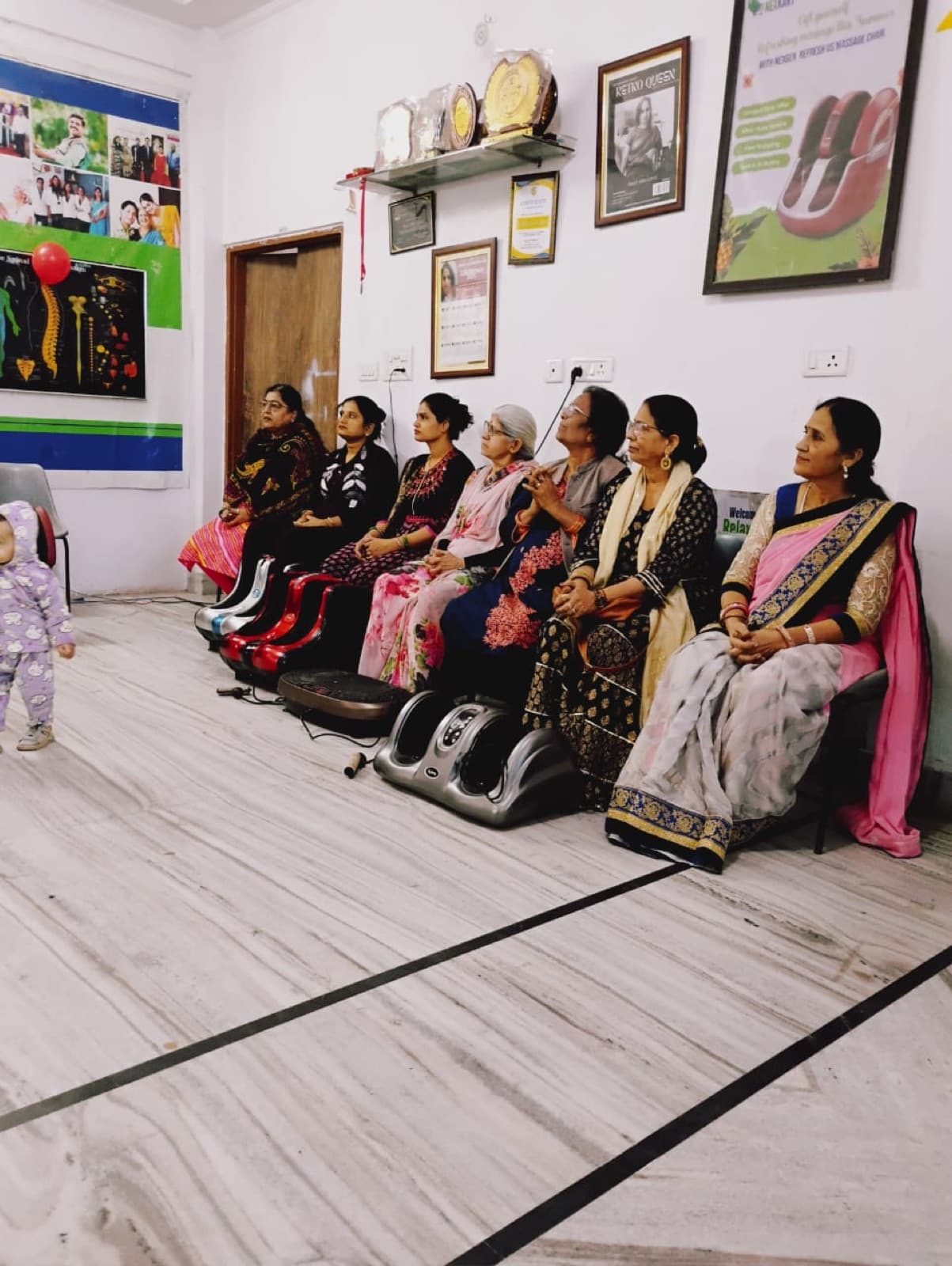
Our showroom chairs in Malviya Nagar run more sessions in a week than a home chair does in a couple of months, so if you want to know how this upholstery ages, do not take our word for it. Sit in the busiest one on the floor and look at the headrest and the seat edge yourself. That is a more useful five minutes than any specification sheet, and it is the same reason we keep the range on the floor rather than in a catalogue.
Frequently asked
- How much electricity does a massage chair use in India?
- Far less than people expect. Our chairs are rated between 160 W and 180 W at peak, so a fifteen minute session uses about 0.045 units. Two sessions a day for a month comes to roughly 2.7 units, which is around ₹22 on a typical Jaipur domestic tariff.
- Do I need a voltage stabilizer for a massage chair?
- Only if your supply is genuinely unstable. Our chairs accept a wide input range, 110 to 240V depending on the model, so ordinary sag is within tolerance. If lights visibly dim in your area or other appliances have failed early, fit a stabilizer, because damage from voltage fluctuation is excluded from every manufacturer warranty including ours.
- Can a massage chair run on an inverter?
- Yes. At 160 to 180 W the load is small next to what a normal home inverter is sized to carry. The practical question is whether you want to spend limited backup on a massage during a power cut, which is usually a no.
- How do I clean a massage chair's PU leather?
- Dry microfiber once a week, and plain water on a barely damp cloth for marks. Avoid spirit, alcohol wipes and silicone polish, all of which attack the topcoat. Keep the chair out of direct sunlight, and use a cotton headrest cover if anyone in the house uses hair oil.
- How often does a massage chair need servicing?
- There is no scheduled service the way a car has one. Wipe it down, keep the track slot clear of hairpins and coins, and call for a technician when something changes: a new noise, an airbag that stops inflating, or a program that stalls. Ask your seller what an out-of-warranty visit costs before you buy rather than after.
- How many sessions a day is too many?
- Fifteen to twenty minutes, once or twice a day, suits most people, and the chair itself is built for that. More is not better, and sore spots the day after usually mean the intensity was too high rather than the session too short. A massage chair is a comfort appliance rather than a treatment, so anyone with osteoporosis, a recent fracture, a spinal condition under treatment, a pacemaker or an implanted device should ask their doctor first, and the same applies during pregnancy.