
Home & Lifestyle
Budget Massage Chairs for Salons: Where to Spend and Where Not To
The cheapest chair in the room is rarely the cheapest chair over three years. Commercial use changes the arithmetic.
· NexGen Wellness · 6 min read
Decide what the chair is for before you price one
A massage chair does one of two jobs in a salon, and they carry different budgets. In some places it is a billed service, a twenty minute session sold on its own or bundled into a package. In others it is an amenity, something a client sits in while color processes or while a stylist runs late. The first earns money and justifies spending up. The second is a retention expense, and there the cheapest chair that still feels good is the correct purchase.
Most owners have not made that decision before they call us. It is the decision that sets the number, so make it first.
Commercial use is not home use
Nearly every chair on the market is specified for a household, where it runs one or two sessions a day. A salon floor on a Saturday is a different machine entirely, and four things change because of it.
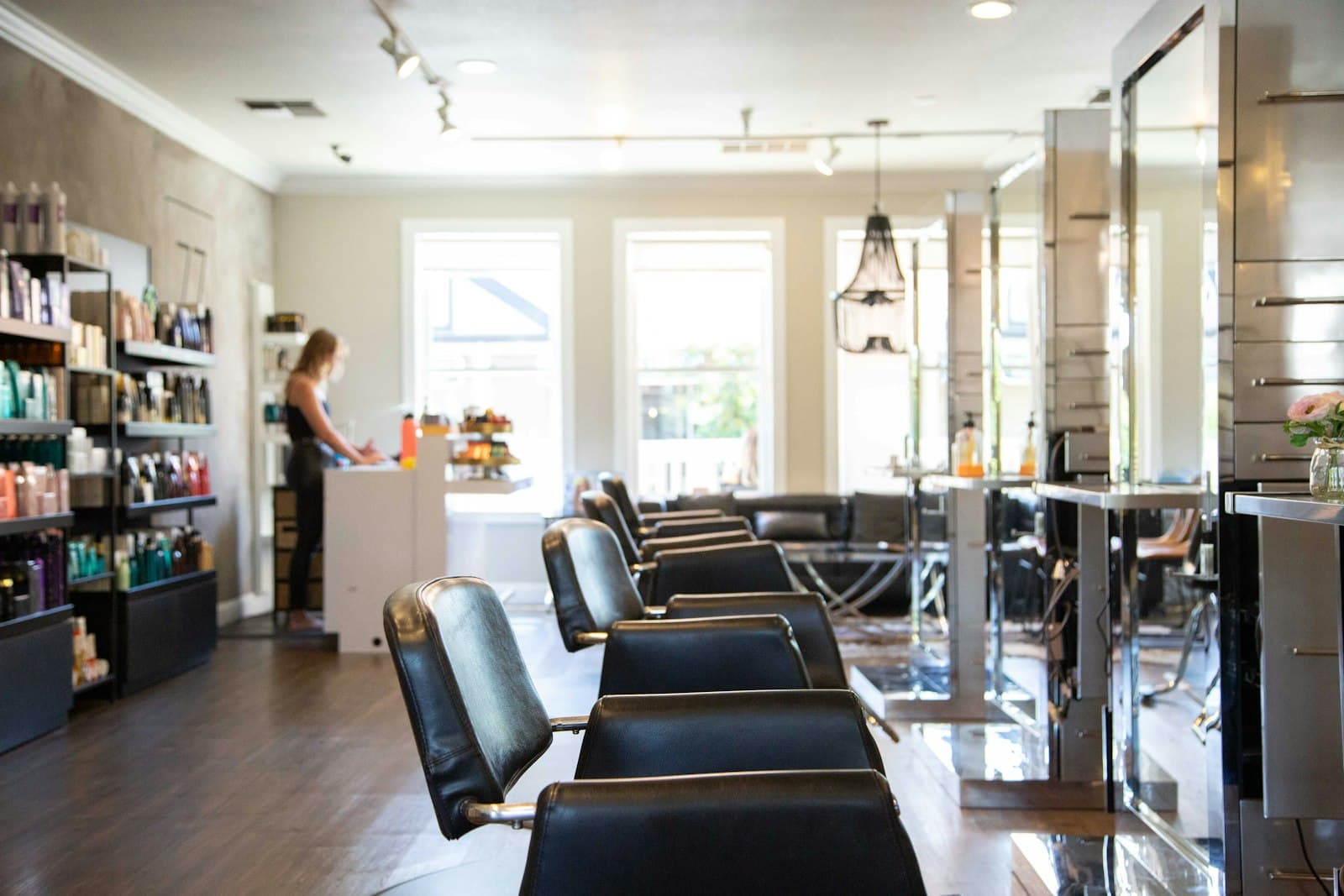
- Cycles. Ten sessions a day is a normal Saturday in a busy salon, which ages the mechanism and the upholstery several times faster than the warranty period quietly assumes.
- Body scan. A different body sits down every session, and nobody on your floor is going to set roller height by hand between clients. Automatic scanning is not a luxury in commercial use. It is what makes the chair usable by staff who are already busy.
- Program length. Fixed automatic programs of fifteen or twenty minutes keep the chair turning over. Open ended manual modes turn one client into a forty minute occupancy.
- Contact points. Headrest, armrests and calf covers wear first, and they get wiped down between clients. Ask what the covers cost and whether they can be replaced on their own, before you buy rather than after.
- Placement. Clients will not use a chair parked in the middle of the floor where the whole salon can watch. A corner, a screen or a curtained bay is what gets it used.
Where a cheap chair costs you more
Almost the entire price gap between an entry level chair and a serious one sits in the mechanism that touches the back. A 2D roller travels up, down and across at a fixed depth. It is genuinely pleasant. What it cannot do is suit a 50 kg client and a 95 kg one on the same afternoon, because the depth never changes, and in a salon those two clients are an hour apart.
The second place it costs you is the rail. An S-track follows the curve of the spine and stops at the lower back. Most people who work standing all day, which is most salon clients and every one of your staff, ache below that line.
The third is parts. A chair bought on price alone from a seller with no service presence is a chair you cannot repair in year three. A broken massage chair in a salon is not a neutral object. It is a piece of furniture your regulars watched you buy and now watch you not fix.
What to pay for, and what to skip
| Feature | What it does on a salon floor | Verdict |
|---|---|---|
| Intelligent body scan | Fits the chair to whoever sits down, with no staff time in between | Pay for it |
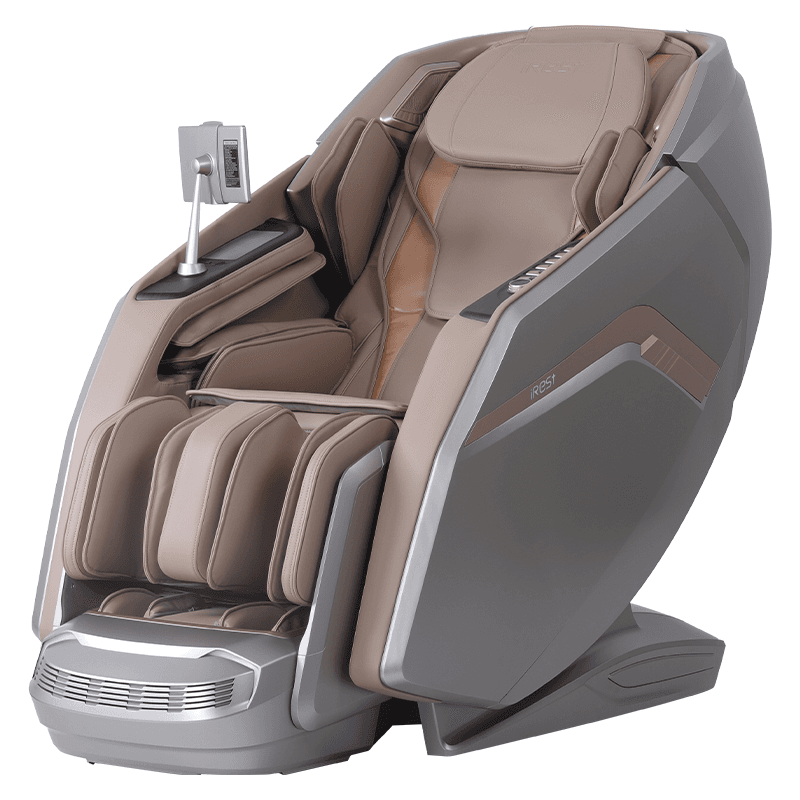
| SL-track rail | Carries the rollers past the lower back to the glutes and thighs, where standing work hurts | Pay for it |
| 4D depth control | Lets one chair suit a light frame and a heavy one on the same afternoon | Pay for it |
| Short automatic programs | A fixed session length is what keeps the chair turning over | Pay for it |
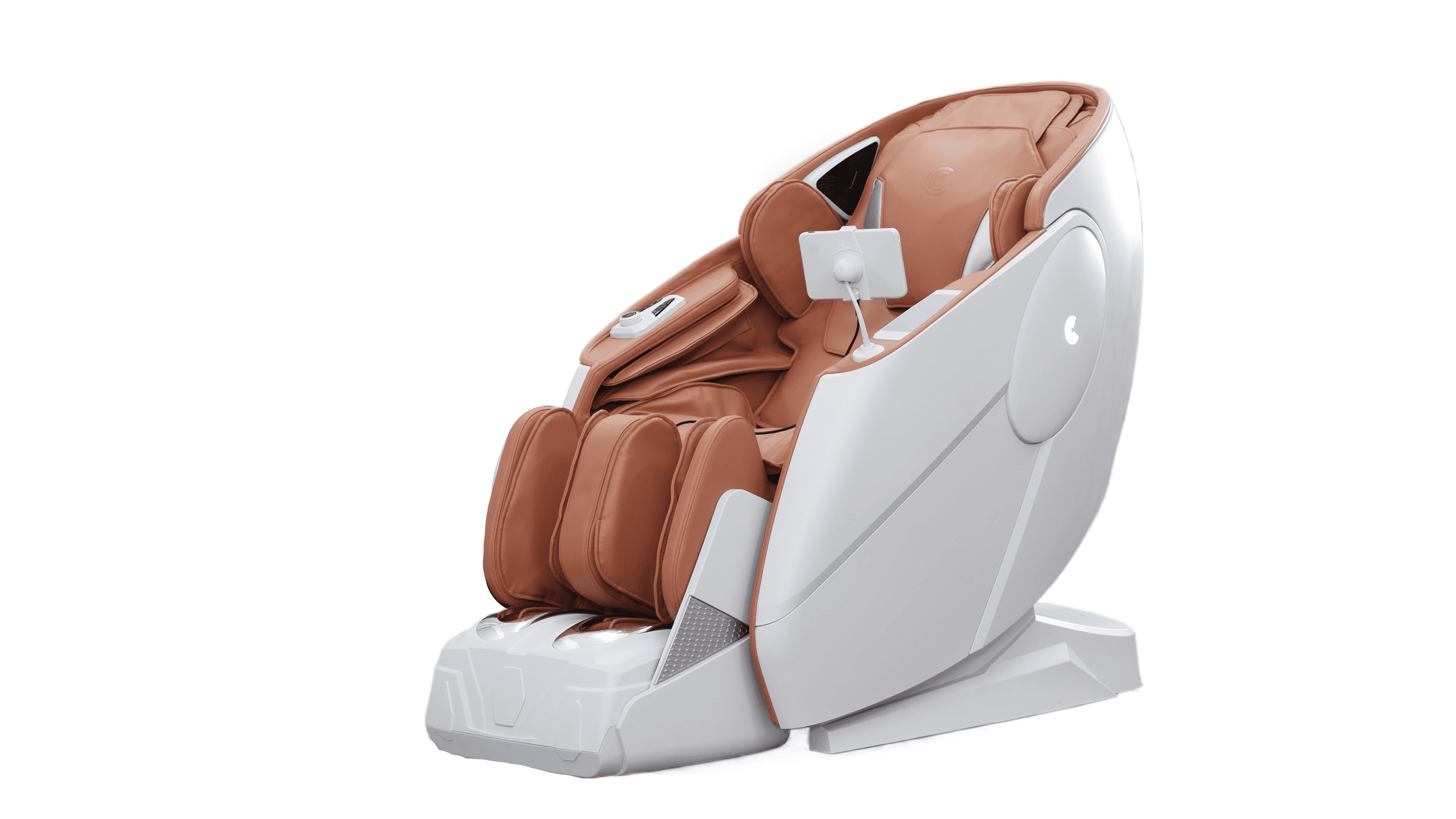
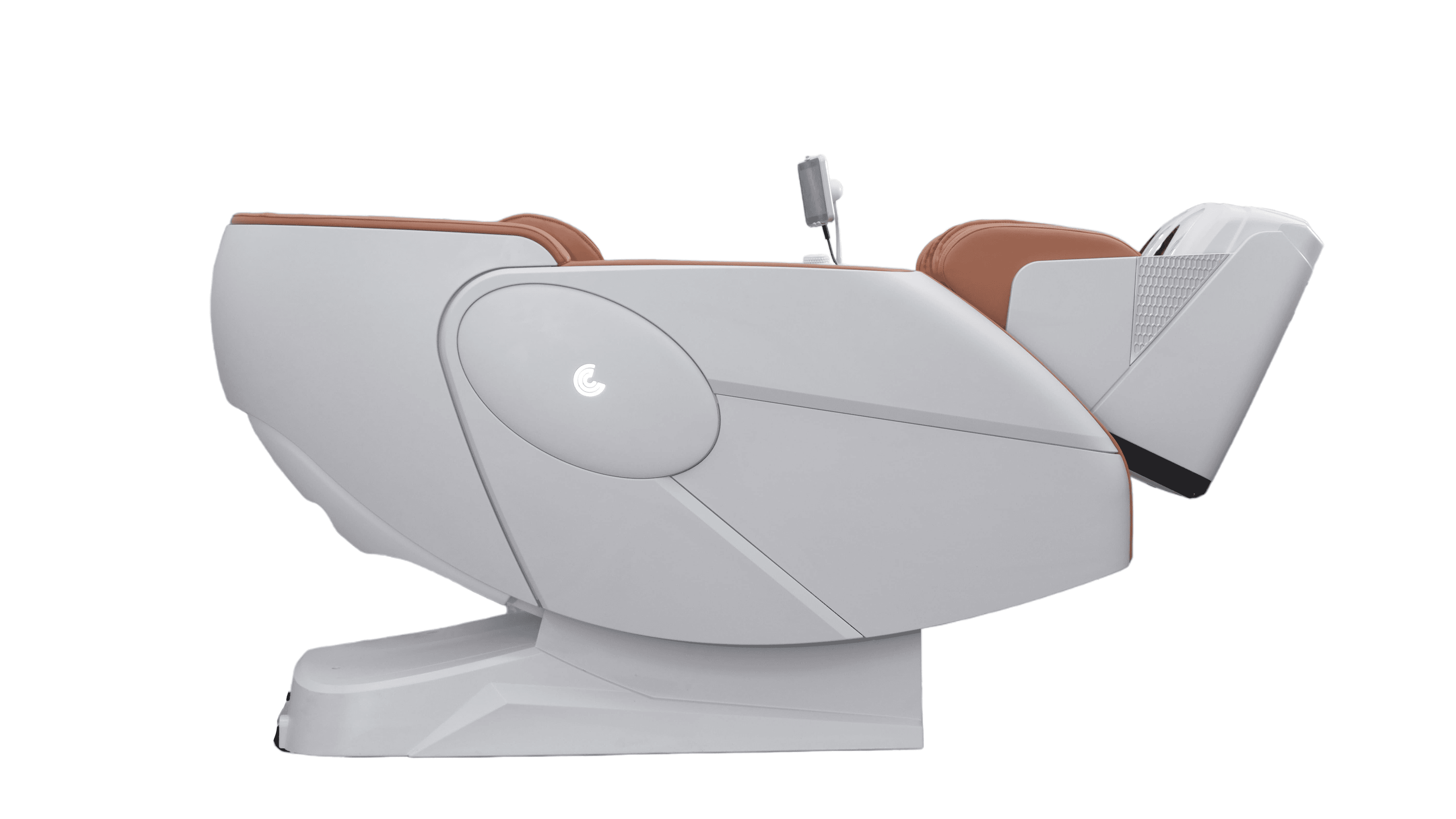
| Wall-hugging slide | Reclines forward instead of backward, so it needs about 5 cm behind it rather than half a meter | Pay for it if the room is tight |
| Foot rollers and leg airbags | The part standing clients notice most, and the part they ask for again | Pay for it |
| Bluetooth audio and ambient lighting | Pleasant at home. Your salon already has music and a lighting scheme | Skip |
| Voice control | Fine in a quiet living room. Not over a hairdryer | Skip |
Read that table as a spending order rather than a shopping list. If the budget only covers the first four rows, the chair will still do its job. If it covers the last two and not the first four, you have bought a demonstration piece.
The cheaper answer most salons should hear first
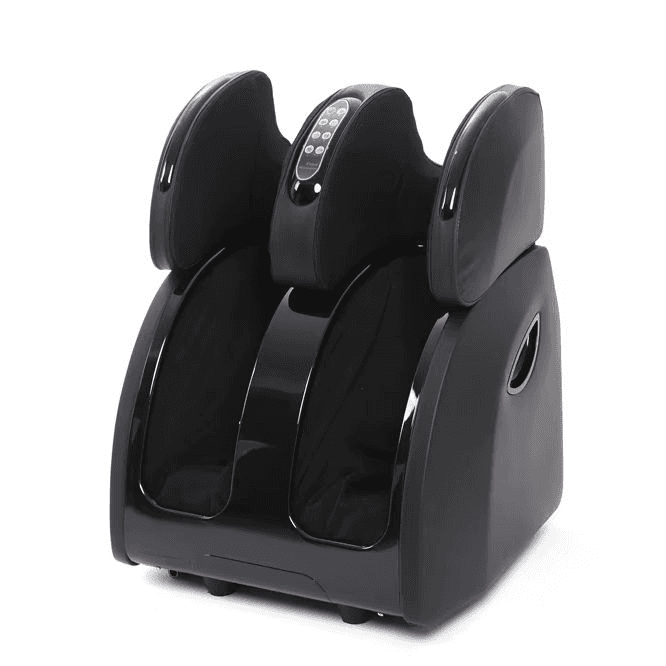
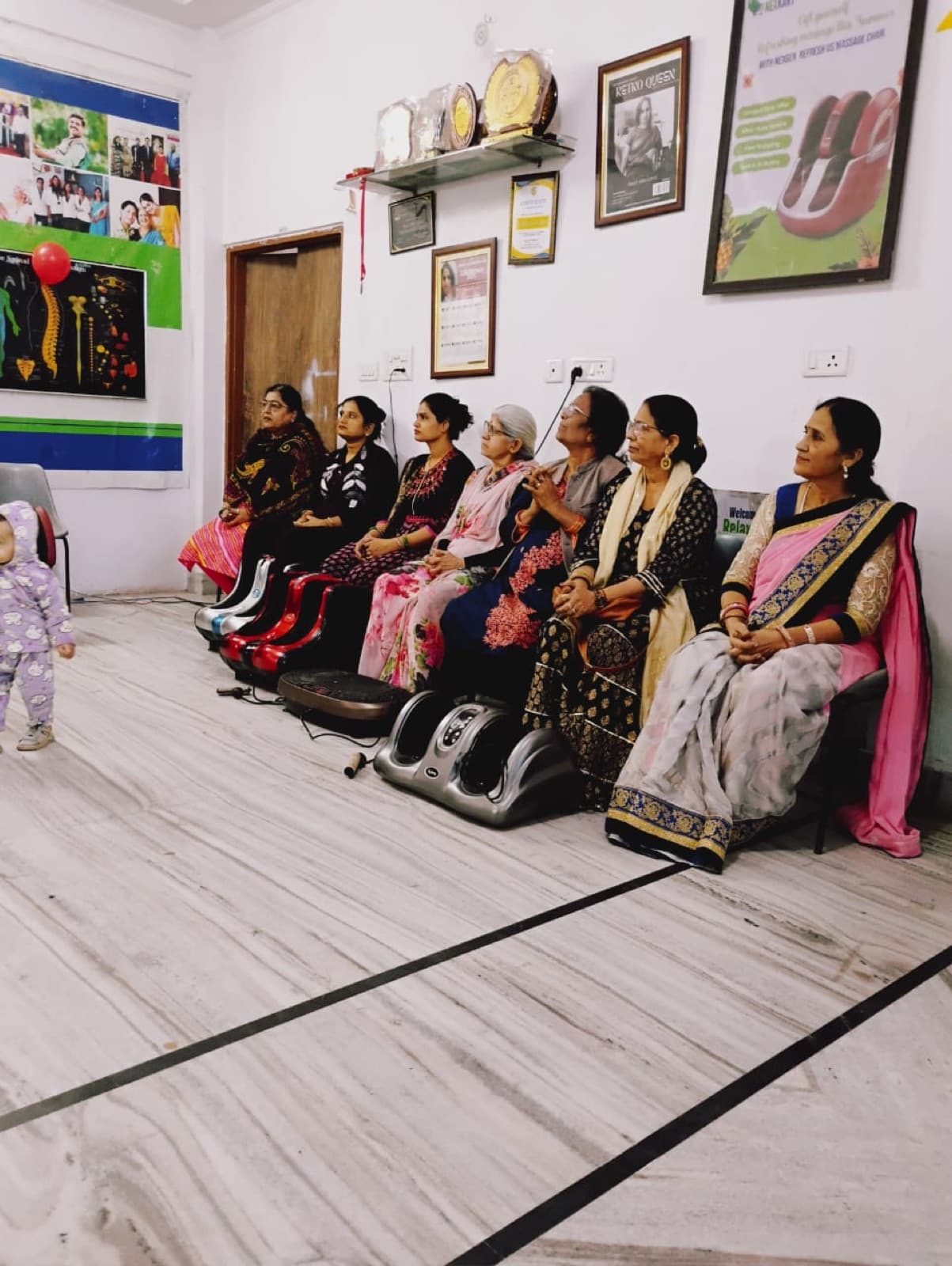
If budget is the binding constraint, the honest recommendation is often not a chair at all. Foot and leg massagers cost a fraction of a full body chair, and in a salon they sit exactly where the client already is: at the pedicure station, on the waiting bench, in the seat where color is processing.
Three of them will reach several times as many clients per hour as one chair, take almost no floor area, and can be moved when the layout changes. The Classic Plus adjusts through 90 degrees, which is what lets it work on a seated client rather than a reclined one, and runs shiatsu from calf to sole. The A867 Air Pro wraps the whole leg from knee to sole with air compression instead.
That is not the more profitable advice for us to give. It is the advice that gets the equipment used, and used equipment is what brings a client back.
Paying for it monthly
A salon's problem is rarely that the chair is not worth it. It is that the money leaves in one piece while the return arrives in small ones, month after month, as retained clients and add-on sessions.
We are on the Bajaj Finserv EMI network, so a chair can be taken on monthly instalments rather than a single payment. Approval and terms are the lender's decision and not ours, so treat anything we quote as the price and not the instalment. The point is that the monthly figure is the number worth comparing against what the chair earns you, and the sticker is not.
If you would rather test the idea before committing, a short rental is the cheaper experiment. A month on your floor tells you how many clients actually sit in it, which is the only number that settles the question.
Frequently asked
- Which massage chair is best for a salon on a budget?
- Spend on intelligent body scan, an SL-track rail, 4D depth control and short automatic programs, in that order. Those four are what let one chair serve a different client every twenty minutes without staff intervention. The Z91 Plus covers all four and reclines forward, so it needs only about 5 cm of clearance behind it, which matters in a salon where floor area is rented.
- Can a salon buy a massage chair on EMI?
- Yes. We are on the Bajaj Finserv EMI network, so a chair can be taken on monthly instalments instead of a single payment. Approval and the final terms are decided by the lender, not by us. Ask for a quote and we will send the price along with the EMI options available on it.
- Is a foot massager enough for a salon?
- For many salons, yes, and it is where we suggest starting. Foot and leg massagers cost a fraction of a full body chair, work on a seated client at the pedicure station or the waiting bench, and reach several times as many people per hour. A full body chair makes more sense once you intend to bill for the session rather than offer it while a client waits.
- How long should a salon session in the chair be?
- Fifteen to twenty minutes, set as a fixed automatic program rather than left open ended. That is long enough for a client to feel the difference and short enough that the chair is free again when the next one asks. Note that a massage chair is a comfort appliance, not a treatment. Anyone with osteoporosis, a recent fracture, a spinal condition under treatment, a pacemaker or an implanted device should ask their doctor first, and pregnant clients should do the same.